


Hpb59-1 Brass Mesh Pattern Embossed Rod H62 Straight and Twill Pattern Rod

Contact Info
- Add:First Floor, Building C, Dingfeng High tech Park, Shapuwei Second Industrial Zone, Songgang Street, Bao'an District, Zip:
- Contact: 夏伟
- Tel:0755-23716133
- Email:szkctlcl@163.com
Other Products


Brass Rod:
A brass rod is a type of non-ferrous metal processed bar, known for its excellent machinability and high electrical conductivity. It is mainly categorized into brass rods (copper-zinc alloy, relatively cheaper) and copper rods (higher copper content).
Brass rods are bar-shaped objects made from an alloy of copper and zinc, named for their yellow color. Brass with a copper content of 56% to 68% has a melting point of 934–967°C. Brass boasts good mechanical properties and wear resistance, making it suitable for manufacturing precision instruments, ship components, etc.
Different zinc contents result in varying colors. For instance, a zinc content of 18%–20% yields a reddish-yellow hue, while 20%–30% zinc results in a brownish-yellow shade. Additionally, brass produces a unique sound when struck, which is why Eastern instruments like gongs, cymbals, bells, and horns, as well as Western brass instruments, are made from brass.
Brass is an alloy of copper and zinc. Simple brass is a binary copper-zinc alloy, referred to as plain or common brass. Adjusting the zinc content in brass alters its mechanical properties. Higher zinc content increases strength but slightly reduces plasticity. Industrially used brass typically contains no more than 45% zinc, as higher levels induce brittleness and degrade alloy performance. To enhance specific properties, other alloying elements are added to plain brass, resulting in special brass. Common alloying elements include silicon, aluminum, tin, lead, manganese, iron, and nickel. Adding aluminum to brass improves yield strength and corrosion resistance while slightly reducing plasticity. Brass with less than 4% aluminum exhibits good comprehensive properties in processing and casting. Incorporating 1% tin significantly enhances brass's resistance to seawater and marine atmospheric corrosion, earning it the name "naval brass." Tin also improves the machinability of brass. The primary purpose of adding lead to brass is to enhance machinability and wear resistance, with little effect on strength. Manganese brass offers good mechanical properties, thermal stability, and corrosion resistance. Adding aluminum to manganese brass further improves its properties, yielding castings with a smooth surface. Brass products can be divided into cast and pressure-processed types. 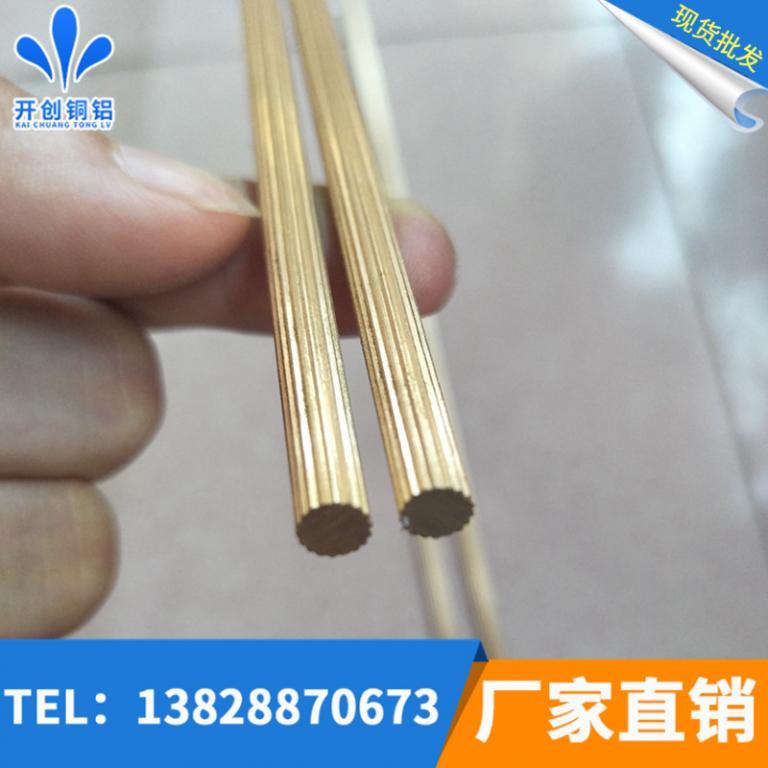
| Industry Category | Chemicals/Chemical Intermediates/Intermediate Compounds |
|---|---|
| Product Category | |
| Brand: | 开创铜铝 |
| Spec: | 齐全 |
| Stock: | 100000 |
| Manufacturer: | 深圳开创铜铝材料厂 |
| Origin: | 114403 |


